Painting & Decorating
How to Paint a Rental Wall Without Losing Your Deposit
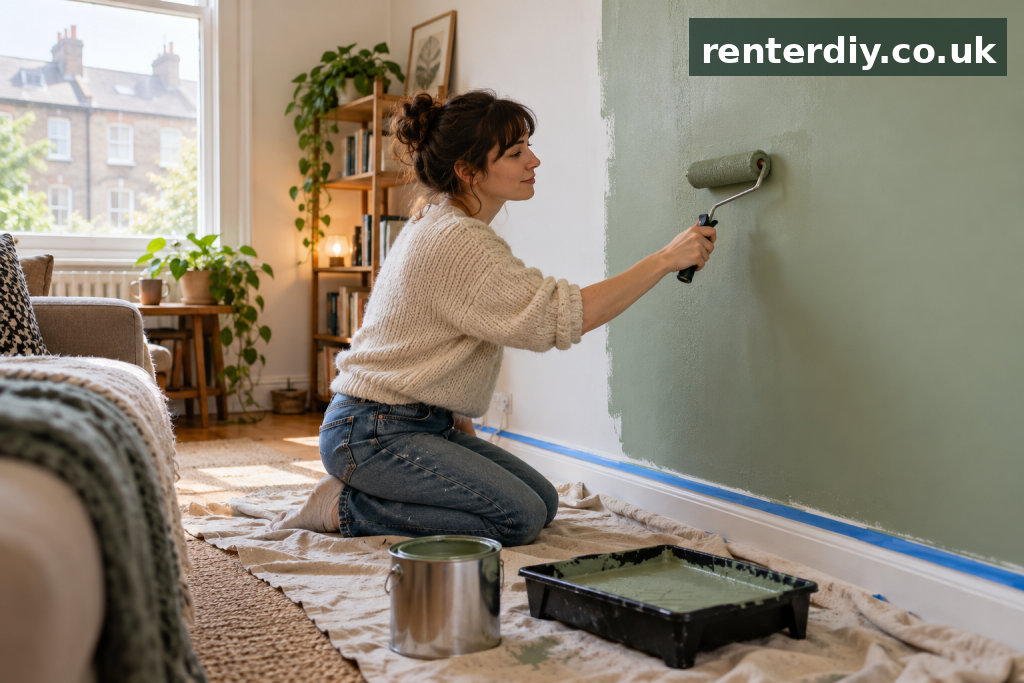
Painting a rented wall does not have to end in a deposit dispute, but there is no paint or technique that guarantees your deposit will be returned in full. Check your tenancy agreement, get written permission for the colour and scope, document the wall before you begin, and use a careful preparation method that avoids damage.
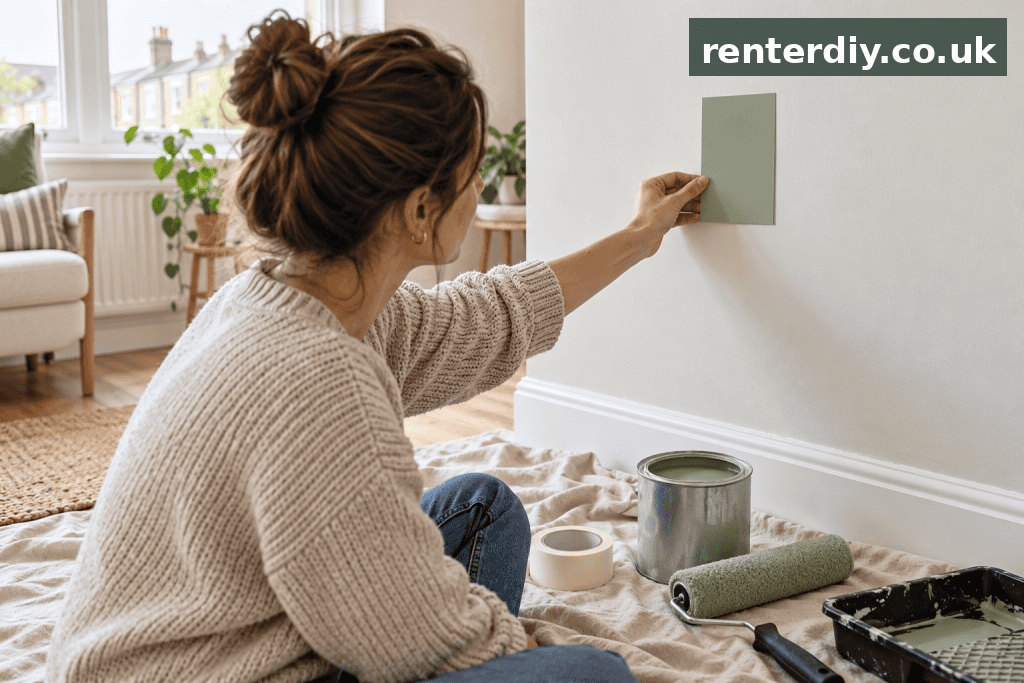
Get written permission before buying paint
Read the decorating and alterations clauses in your tenancy agreement. Ask the landlord or agent to approve the exact room, wall, colour and finish. Also ask whether the wall may stay that colour at the end of the tenancy or needs to be returned to its original shade.
Keep the reply with your tenancy records. A verbal yes can be hard to prove later, and approval for one wall may not cover every room. If you need a message to adapt, use our landlord permission email template.
For a broader overview of what landlords may allow, see Can I paint my rented flat?
Check the wall before you paint
Take clear, dated photos in daylight before moving furniture. Record existing marks, cracks, peeling paint, damp patches and any repairs that are already needed. Send the landlord a note about problems that should be fixed first.
Do not paint over damp, mould, bubbling paint or a leak. Painting can hide a symptom without resolving its cause. Report the issue and wait for instructions or repair work. Avoid sanding unknown old paint, especially in older homes; if you suspect lead paint, seek specialist advice before disturbing it.
Choose a low-risk paint and colour
- Use the colour and finish the landlord approved.
- Ask whether they have the original paint name or colour code for a later touch-up.
- Choose an interior wall paint suitable for the existing surface and follow the manufacturer’s instructions.
- Do not use strong primers, textured coatings or specialist finishes unless they have been approved.
- Check the product label for ventilation, drying time and cleaning guidance.
A small test patch can reveal how the colour looks and whether the surface reacts, but get permission before testing if the agreement requires it. Let the test dry fully before deciding.
Prepare the room without damaging it
- Move small furniture away from the wall and cover the floor with a clean dust sheet.
- Protect the skirting board and nearby fittings with a low-tack masking tape suitable for the surface.
- Clean the wall gently using a method suitable for the paint finish. Let it dry completely.
- Fill only small, permitted surface imperfections with an appropriate filler. Ask before making repairs beyond minor cosmetic work.
- Use a stable step stool and keep the room ventilated. Do not remove fixed fittings or cover vents, sockets or safety equipment.
If the paint is flaking or the wall needs significant preparation, stop and ask the landlord. Pulling off a coating, aggressive sanding or filling a larger defect can make the surface harder to restore.
Paint carefully and keep a record
Work in good light and apply thin, even coats, allowing the full drying time stated on the tin. Keep paint off ceilings, flooring, window frames and adjacent walls. Remove masking tape slowly at the time recommended by the manufacturer rather than leaving it until it bonds firmly.
Keep the paint tin label, colour details, receipt and permission email. Take photos after the paint has dried and the room is tidy. If the landlord approved a change with conditions, save evidence that you followed them.
Before you move out
Check the written agreement with your landlord. If you were asked to restore the original colour, confirm the shade and method before repainting. Do not assume you must repaint every wall: normal wear and tear, the starting condition and what was agreed all matter. For deposit evidence, our guide to fair wear and tear explains why check-in photos and item condition are important.
Photograph the finished wall in daylight and compare it with your move-in record. Leave the room clean, remove protective materials carefully and report any accidental marks promptly.
Common mistakes to avoid
- Starting before written approval arrives.
- Changing the agreed colour or painting additional walls.
- Painting over damp, mould or a repair problem.
- Using high-tack tape that lifts the existing finish.
- Leaving paint on floors, handles, sockets or another surface.
- Assuming that a new coat automatically means the wall is in better condition.
Frequently asked questions
Can my landlord keep my deposit because I painted a wall?
A deposit deduction should be based on the tenancy terms, the condition of the property and evidence of an actual loss. Painting without required permission or leaving a poor finish may lead to a dispute, but the outcome depends on the facts.
Can I use the same colour as before?
Check with the landlord first. A matching colour may still have a different finish or sheen, and preparation can affect the result. Ask for the paint code and confirm the area you may paint.
Should I paint a wall with mould on it?
No. Report the mould and any damp or leak. Painting over it will not resolve the underlying moisture and may make the issue harder to assess.
Sources and further reading
Sources: GOV.UK, Renting a property; GOV.UK, Repairs in rented housing; Shelter England, Decorating a rented home and repairs guidance; your tenancy agreement and written landlord permission.