Renter Rights & Landlord Permissions
What Counts as Fair Wear and Tear (and What Doesn’t)
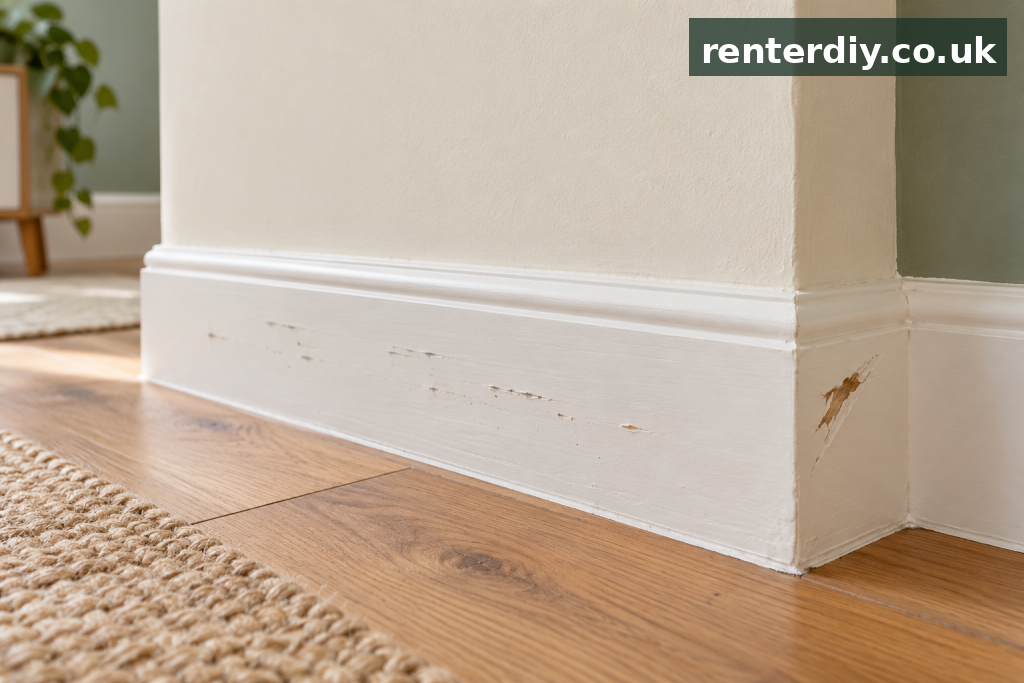
Fair wear and tear is the gradual deterioration that happens through ordinary use over time. A faded patch of carpet or a few small scuffs may be normal; a large burn, deep gouge or avoidable breakage may be damage. There is no single mark-size rule: the condition at move-in, the age and quality of the item, and the length of the tenancy all matter.

Fair wear and tear versus damage
Wear and tear happens even when a tenant takes reasonable care. Damage is more likely where an item has been broken, stained, burned, heavily marked or neglected beyond what ordinary use would cause.
| Often ordinary wear | May be damage |
|---|---|
| Light carpet flattening in a walkway after years of use | A fresh burn, large tear or deep stain caused by an avoidable spill |
| Small scuffs on a busy hallway wall | Large holes, crayon marks or paint applied without permission |
| Faded curtains after years in a sunny room | Broken rails or fabric torn through careless handling |
| Minor loosening from normal use | A fixture pulled off the wall or left broken after an impact |
These are examples, not automatic decisions. The same mark can be viewed differently depending on the evidence and the circumstances.
What is considered when a deposit deduction is proposed?
Landlords and deposit-scheme adjudicators commonly look at:
- Starting condition: what the check-in inventory and dated photos show.
- Age and quality: a new, high-quality carpet would not be expected to wear like an old, inexpensive one.
- Length of the tenancy: longer occupancy normally means more ordinary wear.
- Number of occupants and normal use: context can help explain the level of use.
- Evidence and cost: invoices, quotes, photographs and a clear explanation of the loss claimed.
A landlord should not use a deposit claim to get a brand-new replacement at the tenant’s expense when the old item already had age or wear. Any proposed amount should reflect the actual loss and avoid betterment, meaning the landlord should not end up in a better position than before.
How to protect yourself with good evidence
- Read the check-in inventory carefully and report errors promptly.
- Take dated, well-lit photos when you move in, including close-ups of existing marks.
- Keep copies of repair reports and replies during the tenancy.
- Photograph the same areas again before you hand back the keys.
- Keep receipts for any agreed cleaning or repair work.
Use wide shots to show where a mark is and close-ups to show its condition. Keep the original image files where possible so the dates and detail are easier to check.
If you disagree with a proposed deduction
Ask the landlord or agent for an itemised explanation and evidence for each amount. Compare it with the check-in record, your own photos, the item’s likely age and the time you lived there. Reply calmly and identify the specific points you dispute.
If the deposit is protected in an authorised scheme, check the scheme’s dispute process and deadlines. The scheme can consider evidence from both sides. Do not ignore a proposed deduction, and do not sign an agreement to a charge you do not understand.
What fair wear and tear does not cover
It does not usually excuse damage caused by misuse, accidents that were not dealt with sensibly, unauthorised decorating, avoidable stains or failing to report a leak that then causes more harm. Reporting a problem quickly can help limit the damage and show that you acted responsibly.
Likewise, a landlord generally cannot charge for routine redecoration simply because a tenancy has ended. The condition and evidence matter, and a claim should relate to a real loss rather than a general refresh.
Frequently asked questions
Can a landlord deduct for every scuff?
No fixed rule decides every scuff. A few minor marks after normal use may be fair wear and tear, while extensive or unusual marks may support a claim. The check-in condition and length of the tenancy are important.
Can the landlord charge me for a brand-new carpet?
A deduction should account for the carpet’s age, condition and expected lifespan. Charging the full cost of a new replacement for an old carpet can create betterment. Ask for the evidence and calculation.
Does the same law apply everywhere in the UK?
Deposit protection and tenancy rules differ across the UK. This guide describes common principles used in England and Wales; check the scheme and housing guidance for your nation.
Sources and further reading
Sources: Tenancy Deposit Scheme, fair wear and tear guidance; Deposit Protection Service, deductions and disputes guidance; mydeposits, fair wear and tear guidance; GOV.UK, tenancy deposit protection.