Renter Rights & Landlord Permissions
Renter’s Rights for Repairs in the UK: What Your Landlord Must Fix
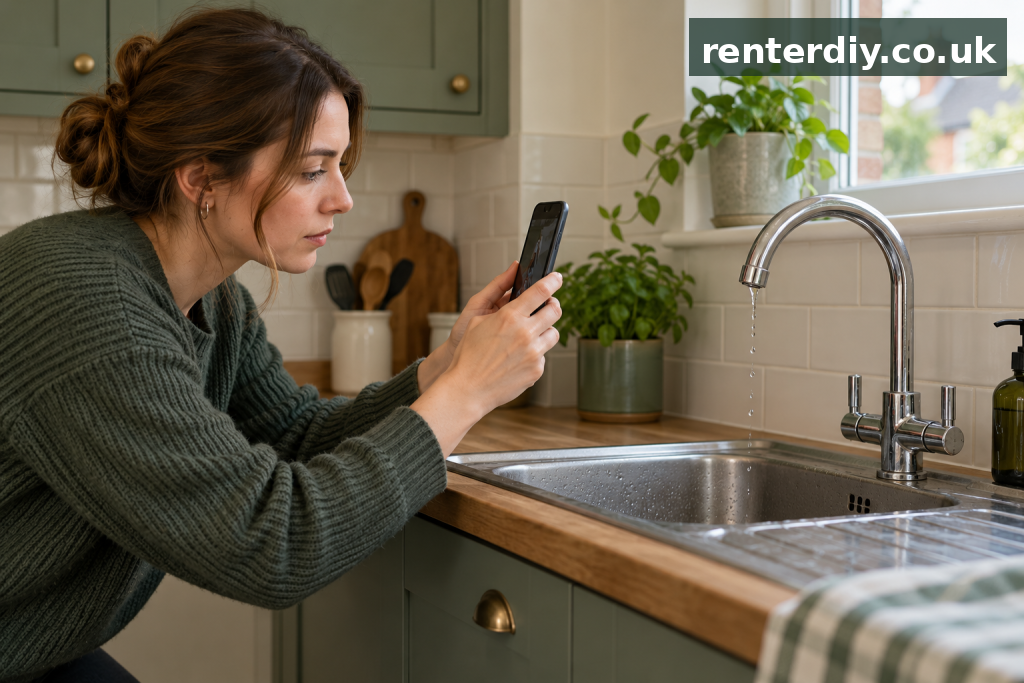
In England, your landlord is usually responsible for keeping the structure, water and sanitation installations, and heating and hot-water systems in repair. Report problems promptly in writing, keep evidence, and do not attempt gas or fixed electrical repairs yourself. The exact rules can differ across the UK, so check the guidance for the nation where you live.

The repairs landlords are usually responsible for in England
For many private tenancies, section 11 of the Landlord and Tenant Act 1985 places repair duties on the landlord for:
- the structure and exterior, including the roof, walls, windows, drains and gutters;
- installations for water, gas, electricity and sanitation, including pipes, sinks, baths and toilets;
- installations for space heating and heating water, such as a supplied boiler and radiators.
Other duties can come from the tenancy agreement, housing standards and safety regulations. A landlord must also address serious hazards and keep any supplied appliances safe where the law requires it. The exact responsibility can depend on what is damaged, who supplied it and the type of tenancy.
What may be the tenant’s responsibility?
Tenants are generally expected to use the home in a tenant-like way, report problems, take reasonable care and put right damage they or their visitors cause. A tenancy agreement may set out additional responsibilities, but it cannot simply remove a landlord’s statutory repair duties.
Routine care such as replacing ordinary light bulbs or keeping the home reasonably clean is different from repairing fixed wiring, a boiler, a leaking pipe or the property structure. If you are unsure, report the fault and ask who will arrange the repair before attempting anything.
How to report a repair
- Describe what is wrong, where it is, and when you first noticed it.
- Explain whether it is getting worse or affecting water, heating, security or health.
- Attach clear photos or a short video if it is safe to do so.
- Send the report to the landlord or agent using the contact method in your agreement.
- Keep a copy, note the date, and follow up if you do not receive a response.
For a leak, switch off a stop tap only if you know where it is and can reach it safely. Do not touch wet electrical equipment. If there is immediate danger, contact emergency services or the relevant utility emergency line.
If your landlord does not respond
Send a calm written reminder with the original report, current photos and any change in the condition. Ask for a clear timeframe. If the problem remains unresolved, contact your council’s housing or environmental health team and seek advice from a recognised housing advice service. Do not withhold rent or arrange expensive work and deduct the cost without getting independent advice first; that can put your tenancy at risk.
For urgent problems affecting safety or making the home unfit, explain the urgency clearly and seek prompt advice rather than waiting for a routine appointment.
Rules differ across the UK
This guide focuses on England. Wales, Scotland and Northern Ireland have different housing laws and tenancy systems. For example, Welsh occupation contracts and Scottish private residential tenancies have their own repairing standards and routes for getting help. Check the official guidance for your nation before relying on an England-specific rule.
The Renters’ Rights Act 2025 took effect in England on 1 May 2026 and changed important parts of the private rented sector. It does not mean every repair question has the same answer: the type of fault, tenancy and applicable repair duty still matter.
Repairs you should not attempt yourself
- Gas appliance, boiler, flue or gas pipe work must be handled by a Gas Safe registered engineer.
- Fixed electrical installation work should be arranged through a qualified electrician.
- Do not remove a landlord-supplied fixture, open a boiler or make a structural change without permission.
- If you smell gas, leave the property and call the gas emergency service from a safe place.
Sources and further reading
Sources: GOV.UK, Repairs in rented housing; GOV.UK, The Renters’ Rights Act; Shelter England, Repairs in rented housing; Gas Safe Register; Welsh Government, Renting Homes guidance; mygov.scot, repairs in private rented housing; nidirect, repairing your home as a private tenant.