Renter Rights & Landlord Permissions
Can I Paint My Rented Flat? What Landlords Usually Allow
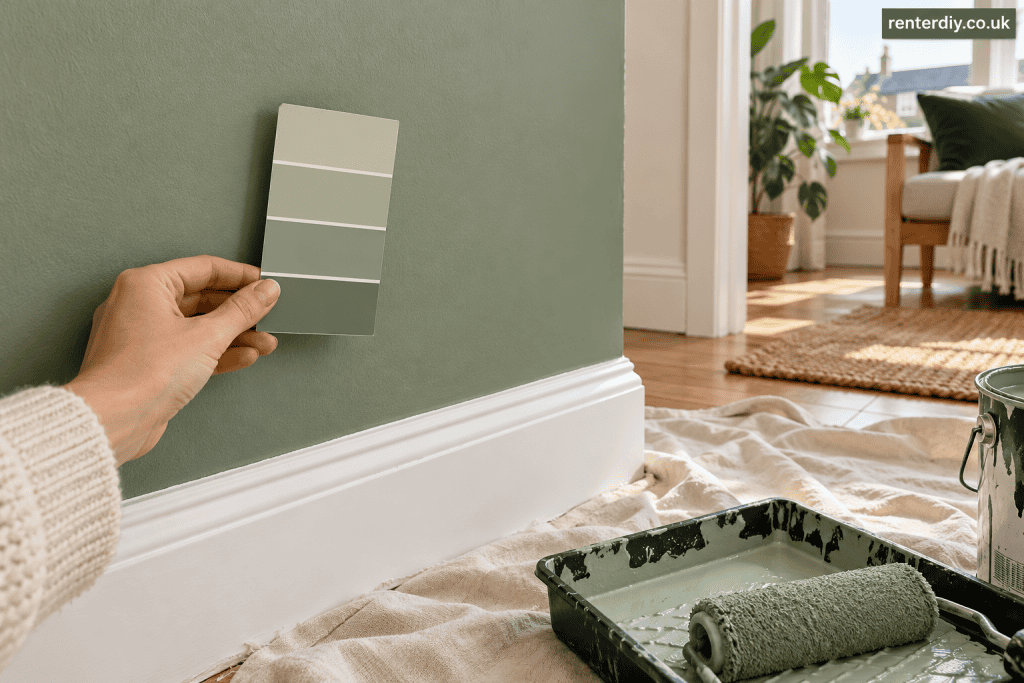
Short answer: check your tenancy agreement and get your landlord’s written permission before painting a rented flat. There is no single permission rule that applies to every tenancy across the UK, and a verbal “that should be fine” can be difficult to rely on later.

Painting can be a simple way to make a room feel like home, but changing the colour or finish may leave you responsible for putting it right when you move out. A quick written agreement can make clear what you may paint, which colour is acceptable and whether you need to repaint before leaving.
Can you paint a rented flat without asking the landlord?
Start with your tenancy agreement. Look for sections called “decorating”, “alterations”, “improvements”, “condition of the property” or similar. It may say that you need written consent before decorating, or that you must return the walls to a specified condition when the tenancy ends.
If the wording is unclear, ask the landlord or letting agent before buying paint or preparing the wall. Do not treat silence as permission. Keep the request and reply, including any conditions, in writing.
The rules are not identical across England, Scotland, Wales and Northern Ireland. In England, the main private-tenancy changes under the Renters’ Rights Act took effect on 1 May 2026. The government’s tenant overview describes those changes, but it does not create a general right to repaint a rented home. Your agreement and any written consent about decorating still matter.
What landlords may allow
There is no official list of colours every landlord must accept. A landlord may agree to a neutral shade, approve a particular colour, or ask you to repaint before the tenancy ends. Another may prefer that you leave the walls as they are. The answer depends on your agreement, the property and what the landlord is willing to approve.
Ask for the details to be confirmed, not just a general “you can decorate”. Clarify:
- which room or wall you may paint
- the exact colour or paint finish
- whether you can fill small existing marks or holes as part of the work
- whether the paint must be returned to the original colour before you leave
- who will pay for materials and any agreed redecoration
If you are offered permission with conditions, make sure you understand them before starting. Save the message or email with your tenancy documents.
How to ask for permission to paint
Send a short message before doing any preparation. Include the room, proposed colour and finish, and how you plan to protect the property. If you are happy to restore the original colour later, say so and ask the landlord to confirm that this is what they expect.
Copy-and-edit template
Subject: Permission to paint [room] at [property address]
Hello [landlord or agent’s name],
I’d like to paint [room or wall] using [paint colour and finish]. I’ll protect the floor, skirting board and fittings while I work. Please confirm in writing whether you approve this, and whether you would like me to repaint it before I leave.
Please also let me know if there are any conditions I should follow. I’ll wait for your written reply before starting.
Thanks,
[Your name]
Keep the reply. If the landlord agrees by phone or in person, send a brief follow-up message summarising what was agreed and ask them to confirm it.
Could painting affect your deposit?
It could lead to a disagreement if the paint was not authorised, the finish is poor, or the walls are left in a condition the agreement says you must correct. A landlord may seek the reasonable cost of putting a problem right, but a deposit deduction is not automatic simply because you painted. The facts, the agreement, the condition at move-in and the evidence all matter.
Before painting, photograph the wall in good light and keep the original inventory or check-in report. After the work, take clear photos of the finished wall and keep the paint details and permission. These records can help explain what changed and what was approved.
If you have already painted without permission
Take photos of the current condition and check your agreement before making another change. Contact the landlord or agent promptly, explain what you did and ask what they would like you to do next. Get any agreement about repainting or leaving the colour in writing.
Avoid rushing to paint over it: a second coat can make the finish worse or create more work. If you disagree about a proposed deposit deduction, use the relevant deposit protection scheme or local housing advice service for your nation.
Before-you-paint checklist
- Read the decorating and end-of-tenancy clauses in your agreement.
- Photograph the walls and check-in condition.
- Ask for written permission, naming the room, colour and finish.
- Confirm whether you must restore the original colour when you leave.
- Wait for a clear reply before buying paint or starting work.
- Keep the permission, product details and finished photos together.
Frequently asked questions
Can my landlord refuse to let me paint?
Your agreement may require consent for decorating, and the landlord may set conditions or decline a request. Check the exact wording and ask for clarification in writing if it is unclear. If the term seems unfair or you are facing a dispute, seek advice from a housing adviser for your part of the UK.
Do I have to repaint the walls before moving out?
That depends on your agreement and the condition of the walls. Check any written permission you received: the landlord may have approved the colour on the condition that you restore the original shade. Ask for the requirement to be confirmed before you start.
Can I paint one wall a different colour?
You can ask, but get the specific wall and colour approved. A permission to decorate one room may not cover a feature wall or a different shade.
Does the Renters’ Rights Act give tenants permission to decorate?
The government’s current overview of the Act’s changes in England does not set out a general right to repaint. Do not assume the Act overrides a decorating clause in your agreement; check the agreement and get written permission.
Sources checked
- GOV.UK, “Renters’ Rights Act overview for tenants” (England)
- GOV.UK, “Private renting: Your rights and responsibilities”
- GOV.UK, “The Renters’ Rights Act Information Sheet 2026” (England)
This guide is general information, not legal advice. Tenancy rules differ across the UK; contact a housing adviser if your agreement or deposit is in dispute.